FREE / NO REAL MONEY
Casino Game Simulators & Probability Tools
Use repeatable simulations to see what house edge and variance look like over many rounds. Virtual credits are for learning, not prediction.
For a concrete draw-without-replacement example rather than a single payout average, calculate the distribution of Keno hits in Keno Odds Calculator: 40 Numbers, 10 Draws.
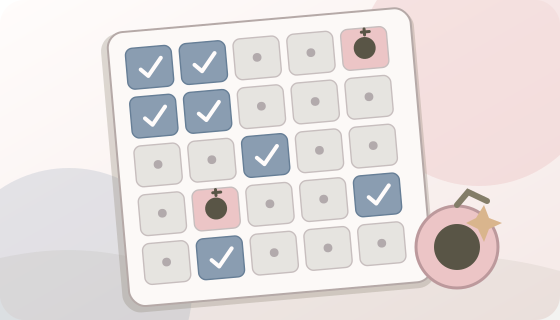 Mines Calculator: Safe-Tile Odds and Virtual PlayCalculate exact Mines survival probability, test safe picks on a playable 25-tile board and compare model payouts using virtual credits.
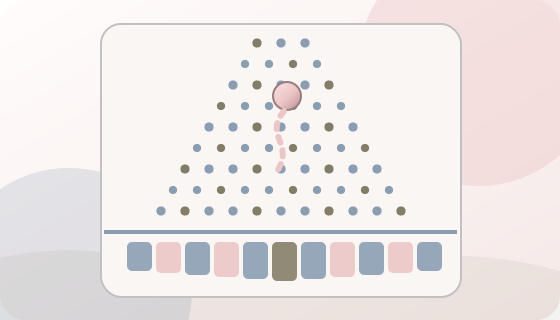 Plinko Simulator: Landing Probabilities and DemoDrop animated Plinko balls, select risk and rows, inspect binomial landing probabilities and run 100 or 1,000 virtual trials.
 Casino Dice Simulator: Choose Your Win ChancePlay free virtual Dice with over/under bets, adjustable win chance, sample history, 99% model RTP and transparent multiplier maths.
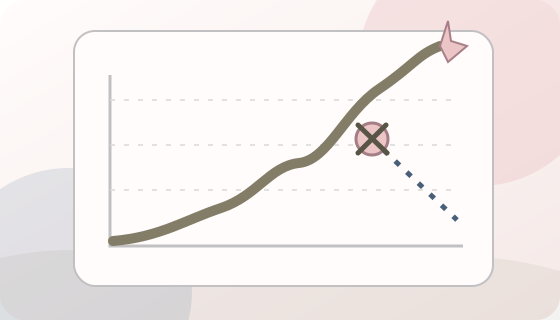 Crash Simulator: Cashout Odds and Virtual RoundsTry an educational Crash game with virtual credits, animated multipliers, auto-cashout and an explicitly synthetic 97% survival model.
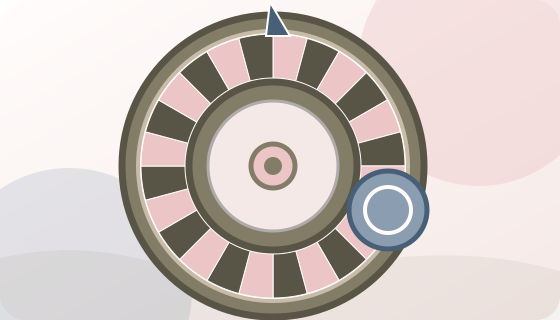 European Roulette Simulator and Odds CalculatorPlay free European single-zero Roulette with virtual credits, straight-up, color, parity and dozen bets. Compare exact probabilities and model house edge.
 Coin Flip Simulator: Heads, Tails and ProbabilityFlip an animated virtual coin, select heads or tails, inspect 50/50 probability and sample 100 or 1,000 flips with transparent synthetic payouts.
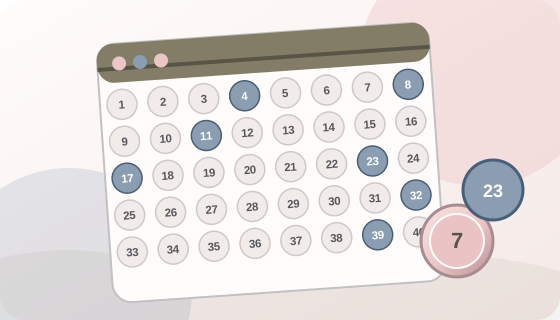 Keno Odds Calculator: 40 Numbers, 10 DrawsPick 1–10 numbers on a 40-number grid, draw 10 balls, calculate hypergeometric hit odds and test model multipliers with virtual credits.
 Provably Fair Verifier for Revealed SeedsVerify revealed server seeds, SHA-256 commitments and published Stake-style HMAC-SHA256 Dice or Plinko rounds directly in your browser.
 RTP & House Edge Calculator: Expected Session CostCalculate house edge, total turnover, expected gross return and expected loss from a stated RTP, a stake per round and number of rounds.
Use probability before looking at a streak
Mines, Roulette, Keno and Coin Flip have exact probability structures in the models used here. Plinko uses a binomial path count, while Dice and Crash use stated synthetic distributions. A sequence of recent wins or losses does not change the next independent draw. Start with the mathematical chance, then use simulation to see how noisy short samples can look.
RTP and variance answer different questions
RTP is a long-run average return under a payout model; variance describes how widely individual results can move around that average. Two games can have similar RTP and very different session behaviour. A short run above 100% does not prove a favourable game, and a short losing run does not prove the stated RTP is wrong. The simulator is useful precisely because it makes that gap visible.
Match the model to the actual game rules
European Roulette here has one zero; an American double-zero wheel is different. The Keno model uses forty numbers with ten drawn, not an eighty-number lottery table. Mines and Plinko use teaching payout curves rather than an operator’s commercial paytable. Before comparing a real game, copy its rules, payout table and any cap that changes settlement.
What to measure in a simulation
Record number of rounds, stake convention, total wagered, gross payout, net result and the model RTP. For games with a selectable target, also record the target probability or multiplier. Increasing the sample size does not make future rounds predictable; it only makes observed averages more stable. Virtual credits keep this as a mathematics exercise rather than a real-money test.
Choose the calculation that matches the decision
Explore probability, variance and payout models with virtual credits.